← Back to Writing
The Creative Process

Why the Photograph Is Never the Point

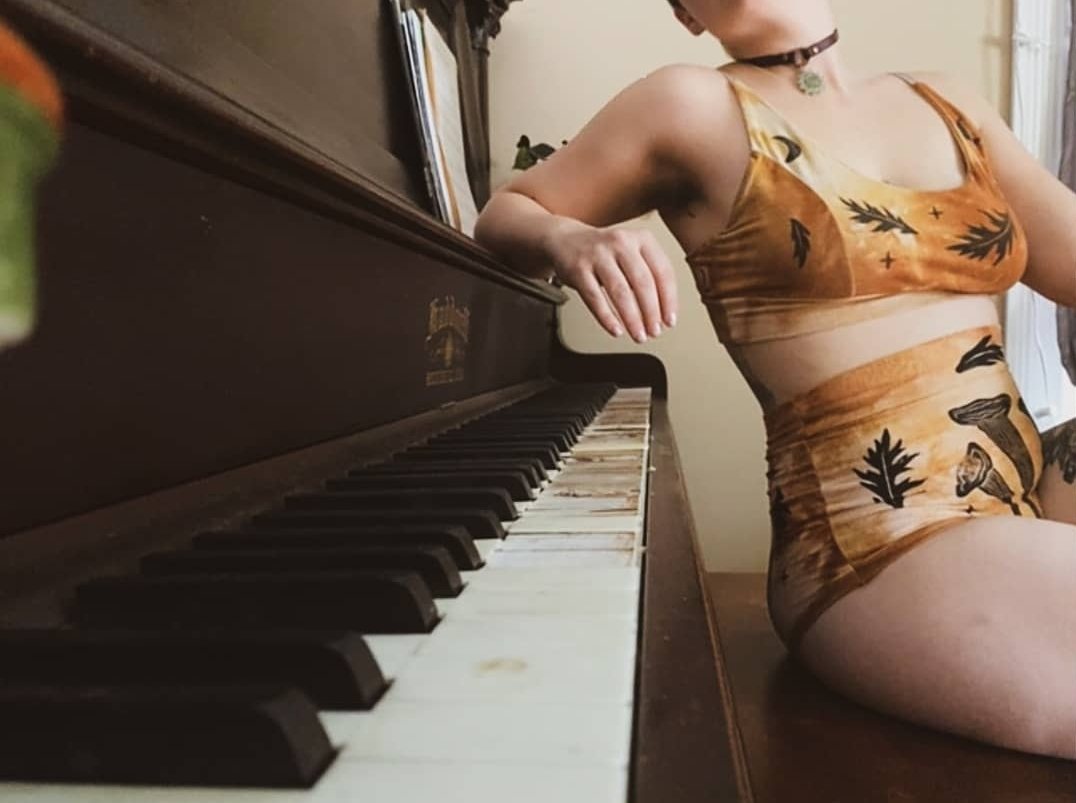
A portrait at the piano

I am a photographer. I have been making images since I was seven years old. And the photograph is never the point.

That probably sounds strange coming from someone who has spent a lifetime with a camera. But it is the truest thing I know about my own work, and understanding it is the difference between a photoshoot and what I actually do.

Note to selfStrong personal opening territory — your lifelong relationship with the camera, the Polaroid at seven, photography as a way of seeing rather than a profession. You could expand the opening with that. It establishes immediately that you are not anti-photograph — you are deeply of it — which makes the argument land.

The image is the evidence

When the work goes well, the photograph that results is not a flattering picture. It is evidence — the record of a moment when something true surfaced and was witnessed. The image holds that moment. Makes it physical. Lets you return to it.

The photograph is not the transformation. It is the artifact of the transformation — something you can hold in your hands when the old stories try to tell you nothing changed.

A pretty picture fades into the thousands of other pretty pictures. But an image that captured a real threshold — the moment you finally inhabited yourself — that image becomes an anchor. You look at it and your body remembers: that was real. I was there. I crossed that.

Note to selfThis is your core differentiator and it's well-developed already on the site. Expand it with conviction. The image as anchor across the spiral. The difference between capturing a surface and capturing a crossing. How do you actually make images that do this? What has to happen BEFORE the shutter for the image to be true?

Made through the work, not after it

Note to selfExplain the sequence that makes your photography different — the image is made THROUGH the somatic and relational work, not appended at the end. By the time the camera is raised, the person has already arrived. Write this from your actual process. This is the "witnessed photography" field of your methodology made concrete.

This is why I do not separate the photography from the rest of the work. The somatic facilitation, the archetypal mapping, the witnessing — these are not preparation for the photoshoot. They are the work, and the photograph is what becomes possible once the work has done its thing.

The camera comes last. By the time I lift it, you have already arrived. I am just there to witness it.

The image is the evidence, not the offering.

If you want to be witnessed in a way that leaves you something to hold — an artifact of who you became — that is what the work is built to create.